
How to Check for Proper Fit of Hiking Boots

Finding the right fit for hiking boots is essential for comfort and injury prevention on the trail. Start by checking the length to ensure there is enough room in the toe box without crowding. The width should feel secure without squeezing the sides of the foot. The heel should stay in place without slipping, which helps prevent blisters and instability. Small fit adjustments, such as lacing techniques and supportive socks, can improve overall comfort. Poorly fitted boots can increase risk of foot pain, blisters, and strain during long hikes. A podiatrist can evaluate foot shape, recommend proper footwear, and provide guidance for better support. If you have experienced foot or ankle pain from wearing hiking boots, it is suggested that you consult a podiatrist who can provide treatment and offer additional guidance on choosing hiking boots that fit correctly.

Finding a properly-fitting shoe is important in reducing injuries and preventing foot problems. For more information about treatment, contact one of our podiatrists from Quad Cities Foot and Ankle Associates. Our doctors will treat your foot and ankle needs.

Proper Shoe Fitting

A common concern when it comes to foot health, having properly fitted shoes can help prevent injuries to the foot. Out feet affect our posture and gait, which in turn affects the biomechanics and overall bodily structure. With 33 joints, 26 bones, and over 100 ligaments, the potential for serious injury is much greater than one realizes. Although the feet cease growth in adulthood, they still change shape as they mature. Here are some factors to consider when it comes to investing in proper fitting shoes:

  • Be sure the shoes fit correctly right away
  • Ensure the ball of your foot fits comfortably in the widest portion of the shoes
  • Even though they may look fashionable, improper fitting shoes can either create adverse conditions or exacerbate existing ones you may already have
  • Walk along a carpeted surface to ensure the shoes comfortably fit during normal activity

Keeping in mind how shoes fit the biomechanics of your body, properly-fitting shoes are vitally important. Fortunately, it is not difficult to acquire footwear that fits correctly. Be sure to wear shoes that support the overall structure of your body. Do your feet a favor and invest in several pairs of well-fitted shoes today.

If you have any questions, please feel free to contact our offices located in Bettendorf, DeWitt, and Davenport, IA. . We offer the newest diagnostic and treatment technologies for all your foot care needs.


Read more about Getting the Right Shoe Size: To Keep Your Feet Happy

Running With Plantar Fasciitis

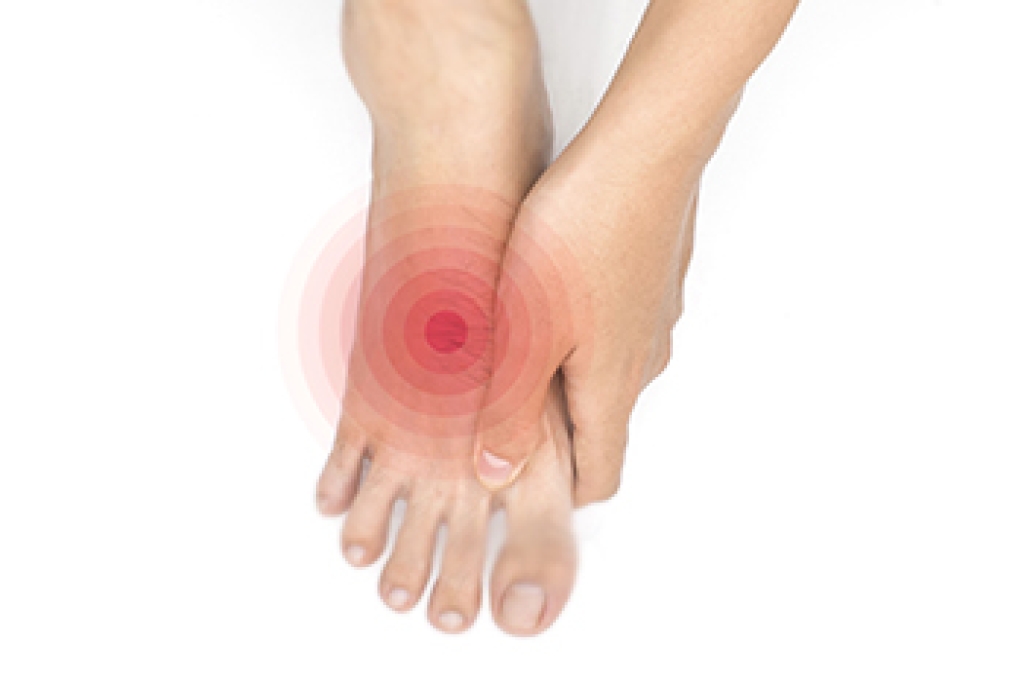
Running with plantar fasciitis can be difficult because it puts stress on the bottom of the foot. The plantar fascia is a strong band of tissue that supports the arch and absorbs impact during movement. When this tissue becomes irritated, runners may feel sharp heel pain or soreness along the foot. Continuing to run without proper precautions can increase strain and delay healing. A podiatrist can examine foot structure, walking patterns, and running form to find the source of stress. Imaging may be used to confirm the condition and rule out other problems. Suggestions for running with plantar fasciitis include custom orthotics, better footwear support, and a plan to improve strength and flexibility in the foot and ankle. If you are a runner with symptoms of plantar fasciitis, it is suggested that you schedule an appointment with a podiatrist for a diagnosis and a safe activity plan.

Plantar fasciitis can be very painful and inconvenient. If you are experiencing heel pain or symptoms of plantar fasciitis, contact one of our podiatrists  from Quad Cities Foot and Ankle Associates. Our doctors can provide the care you need to keep you pain-free and on your feet.

What Is Plantar Fasciitis?

Plantar fasciitis is the inflammation of the thick band of tissue that runs along the bottom of your foot, known as the plantar fascia, and causes mild to severe heel pain.

What Causes Plantar Fasciitis?

  • Excessive running
  • Non-supportive shoes
  • Overpronation
  • Repeated stretching and tearing of the plantar fascia

How Can It Be Treated?

  • Conservative measures – anti-inflammatories, ice packs, stretching exercises, physical therapy, orthotic devices
  • Shockwave therapy – sound waves are sent to the affected area to facilitate healing and are usually used for chronic cases of plantar fasciitis
  • Surgery – usually only used as a last resort when all else fails. The plantar fascia can be surgically detached from the heel

While very treatable, plantar fasciitis is definitely not something that should be ignored. Especially in severe cases, speaking to your doctor right away is highly recommended to avoid complications and severe heel pain. Your podiatrist can work with you to provide the appropriate treatment options tailored to your condition.

If you have any questions, please feel free to contact our offices located in Bettendorf, DeWitt, and Davenport, IA. . We offer the newest diagnostic and treatment technologies for all your foot care needs.
Read more about Plantar Fasciitis

Do You Suffer From Painful Feet?

Painful deformities, such as hammertoes, can be treated. Stop living with foot pain, and have beautiful feet again!

Tingling in the Feet and Diabetic Neuropathy

Tingling in the feet is often one of the first signs of diabetic neuropathy, a nerve problem caused by diabetes. High blood sugar levels can damage the nerves and reduce normal blood flow to the feet. This can lead to tingling, numbness, and burning pain in the feet. Sharp shooting pain, weakness, and unusually hot or cold feet are other symptoms. These symptoms often affect both feet and can become worse at night. When feeling in the feet is reduced, it is harder to notice cuts, blisters, or sores that can lead to infection and ulcers. Poor balance and walking problems may also develop. A podiatrist can examine the feet, test nerve sensation, check circulation, and help prevent serious complications. Regular foot exams are important for people with diabetes. If you have tingling sensations in the feet, it is suggested that you schedule an appointment with a podiatrist for a diagnosis and appropriate treatment.

Neuropathy

Neuropathy can be a potentially serious condition, especially if it is left undiagnosed. If you have any concerns that you may be experiencing nerve loss in your feet, consult with one of our podiatrists from Quad Cities Foot and Ankle Associates. Our doctors will assess your condition and provide you with quality foot and ankle treatment for neuropathy.

What Is Neuropathy?

Neuropathy is a condition that leads to damage to the nerves in the body. Peripheral neuropathy, or neuropathy that affects your peripheral nervous system, usually occurs in the feet. Neuropathy can be triggered by a number of different causes. Such causes include diabetes, infections, cancers, disorders, and toxic substances.

Symptoms of Neuropathy Include:

  • Numbness
  • Sensation loss
  • Prickling and tingling sensations
  • Throbbing, freezing, burning pains
  • Muscle weakness

Those with diabetes are at serious risk due to being unable to feel an ulcer on their feet. Diabetics usually also suffer from poor blood circulation. This can lead to the wound not healing, infections occurring, and the limb may have to be amputated.

Treatment

To treat neuropathy in the foot, podiatrists will first diagnose the cause of the neuropathy. Figuring out the underlying cause of the neuropathy will allow the podiatrist to prescribe the best treatment, whether it be caused by diabetes, toxic substance exposure, infection, etc. If the nerve has not died, then it’s possible that sensation may be able to return to the foot.

Pain medication may be issued for pain. Electrical nerve stimulation can be used to stimulate nerves. If the neuropathy is caused from pressure on the nerves, then surgery may be necessary.

If you have any questions, please feel free to contact our offices located in Bettendorf, DeWitt, and Davenport, IA. . We offer the newest diagnostic and treatment technologies for all your foot care needs.

Read more about Neuropathy

Gout and Its Lasting Impact on the Feet

Gout is often thought of as a sudden, painful attack in the big toe, but it is more than an occasional flare. It is an ongoing condition that can affect foot health over time. Gout develops when uric acid builds up and forms crystals in the joints, leading to inflammation, redness, and severe pain. While attacks may come and go, repeated episodes can lead to joint damage, stiffness, and changes in foot shape. Walking and daily activities can become more difficult if the condition is not managed well. Over time, firm deposits may form under the skin surrounding joints, which can add to discomfort. Early care and proper treatment can help control symptoms and reduce long-term effects. If you have recurring foot pain, swelling, or sudden joint discomfort, it is suggested you schedule an appointment with a podiatrist for a proper diagnosis and appropriate treatment.

Gout is a foot condition that requires certain treatment and care. If you are seeking treatment, contact one of our podiatrists from Quad Cities Foot and Ankle Associates. Our doctors will treat your foot and ankle needs.

What Is Gout?

Gout is a type of arthritis caused by a buildup of uric acid in the bloodstream. It often develops in the foot, especially the big toe area, although it can manifest in other parts of the body as well. Gout can make walking and standing very painful and is especially common in diabetics and the obese.

People typically get gout because of a poor diet. Genetic predisposition is also a factor. The children of parents who have had gout frequently have a chance of developing it themselves.

Gout can easily be identified by redness and inflammation of the big toe and the surrounding areas of the foot. Other symptoms include extreme fatigue, joint pain, and running high fevers. Sometimes corticosteroid drugs can be prescribed to treat gout, but the best way to combat this disease is to get more exercise and eat a better diet.

If you have any questions, please feel free to contact our offices located in Bettendorf, DeWitt, and Davenport, IA. . We offer the newest diagnostic and treatment technologies for all your foot care needs.

Read more about Everything You Need to Know About Gout

Connect With Us

Advanced Podiatric Procedures & Services in the Bettendorf, IA 52722, Davenport, IA 52806 and DeWitt, IA 52742 areas