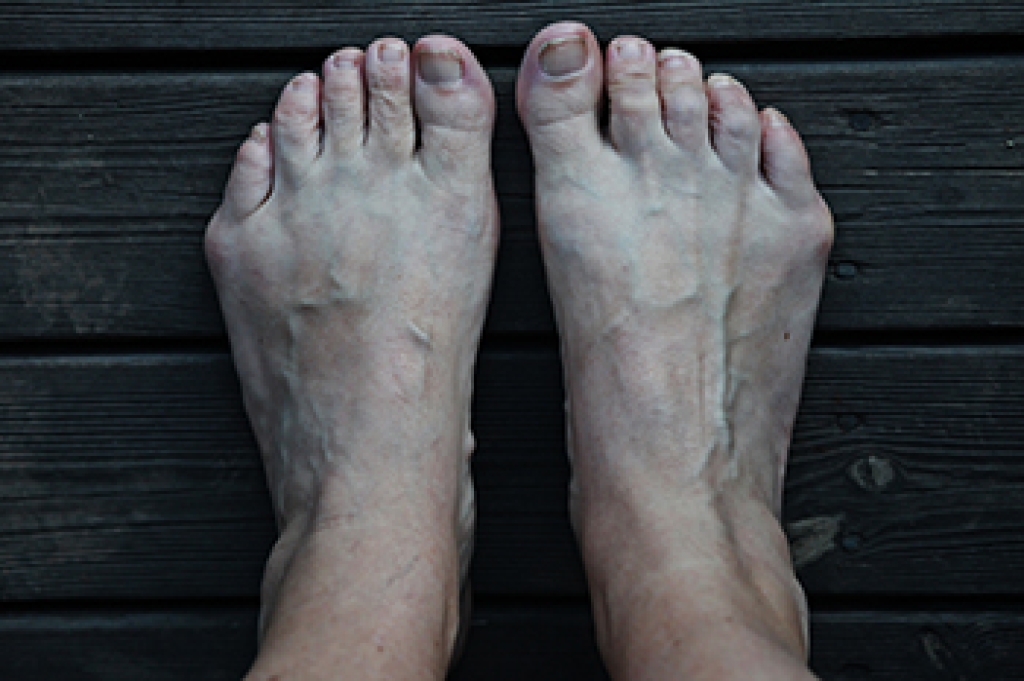
What Is a Bunionette?

Bunions appear as a bony lump at the main joint of the big toe when the big toe turns towards the other toes. A Tailor’s bunion, or bunionette, is the same thing but occurs at the base of the little toe. Tailor’s bunions are often a result of a faulty mechanical structure. As the little toe shifts inwards, the metatarsal bone begins to stick outwards. Tailor’s bunions are often indicated by redness, swelling, and pain, and they usually become irritated by shoes that are too narrow in the toes. Patients who believe that they have a Tailor’s bunion should consult with a podiatrist for a proper treatment. Nonsurgical treatment options include shoe modifications, padding, icing, orthotics, or injection therapy. In more severe cases, a podiatrist may need to perform surgery on the bunionette.

If you are suffering from bunion pain, contact one of our podiatrists of Quad Cities Foot and Ankle Associates. Our doctors can provide the care you need to keep you pain-free and on your feet.

What Is a Bunion?

Bunions are painful bony bumps that usually develop on the inside of the foot at the joint of the big toe. As the deformity increases over time, it may become painful to walk and wear shoes. Women are more likely to exacerbate existing bunions since they often wear tight, narrow shoes that shift their toes together. Bunion pain can be relieved by wearing wider shoes with enough room for the toes.

Causes

  • Genetics – some people inherit feet that are more prone to bunion development
  • Inflammatory Conditions - rheumatoid arthritis and polio may cause bunion development

Symptoms

  • Redness and inflammation
  • Pain and tenderness
  • Callus or corns on the bump
  • Restricted motion in the big toe

In order to diagnose your bunion, your podiatrist may ask about your medical history, symptoms, and general health. Your doctor might also order an x-ray to take a closer look at your feet. Nonsurgical treatment options include orthotics, padding, icing, changes in footwear, and medication. If nonsurgical treatments don’t alleviate your bunion pain, surgery may be necessary.

If you have any questions, please feel free to contact our offices located in Bettendorf, DeWitt, and Davenport, IA. . We offer the newest diagnostic and treatment technologies for all your foot care needs.

Read more about What Are Bunions?

It's Time for Beautiful Feet

You don't need an excuse to have beautiful nails. Step outside without worrying about the appearance of your feet.

How Flip Flops Hurt the Feet

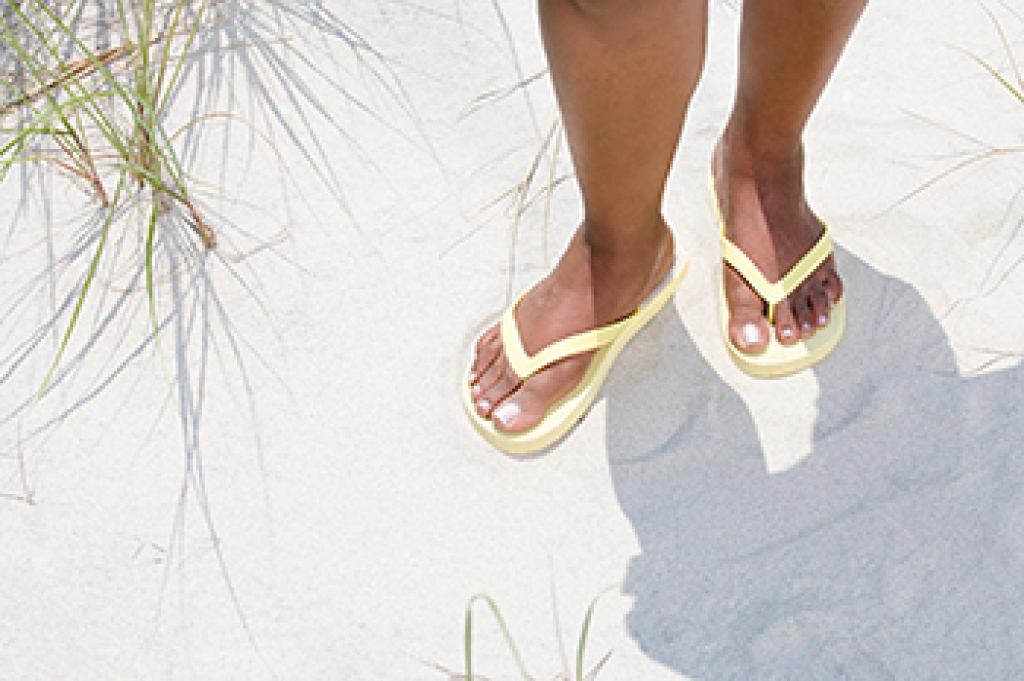
As summer is in full swing, many of us pull out a pair of flip flops. However, flip flops were not made for everyday use, and they can cause many problems. To start, flip flops do not provide enough support for the feet, and wearing them over a prolonged period of time can lead to the arch ligaments straining. This lack of support can cause the feet and toes to work harder and eventually lead to hammertoes, and the ankle can roll over on its side and lead to an ankle sprain. When wearing flip flops, make sure to choose a pair with a supportive lightweight sole and a cradle around the heel to reduce the chance of an ankle sprain. If you have questions or concerns about wearing your flip flops, consult with a podiatrist.

Flip-flops can cause a lot of problems for your feet. If you have any concerns about your feet or ankles, contact one of our podiatrists from Quad Cities Foot and Ankle Associates. Our doctors will assist you with all of your foot and ankle needs.

Flip-Flops and Feet

Flip-flops have managed to become a summer essential for a lot of people. While the shoes may be stylish and easy to slip on and off, they can be dangerous to those who wear them too often. These shoes might protect you from fungal infections such as athlete’s foot, but they can also give you foot pain and sprained ankles if you trip while wearing them.

When Are They Okay to Wear?

Flip-flops should only be worn for very short periods of time. They can help protect your feet in places that are crawling with fungi, such as gym locker rooms. Athlete’s foot and plantar warts are two common fungi that flip-flops may help protect your feet against.

Why Are They Bad for My Feet?

These shoes do not offer any arch support, so they are not ideal for everyday use. They also do not provide shock absorption or heel cushioning which can be problematic for your feet. Additionally, you may suffer from glass cuts, puncture wounds, and stubbed toes since they offer little protection for your feet.

More Reasons Why They Are Bad for Your Feet

  • They Slow You Down
  • May Cause Blisters and Calluses
  • Expose Your Feet to Bacteria

If you have any questions, please feel free to contact our offices located in Bettendorf, DeWitt, and Davenport, IA. . We offer the newest diagnostic and treatment technologies for all your foot care needs.
Read more about Flip Flops and Feet

Contagious Toenail Fungus

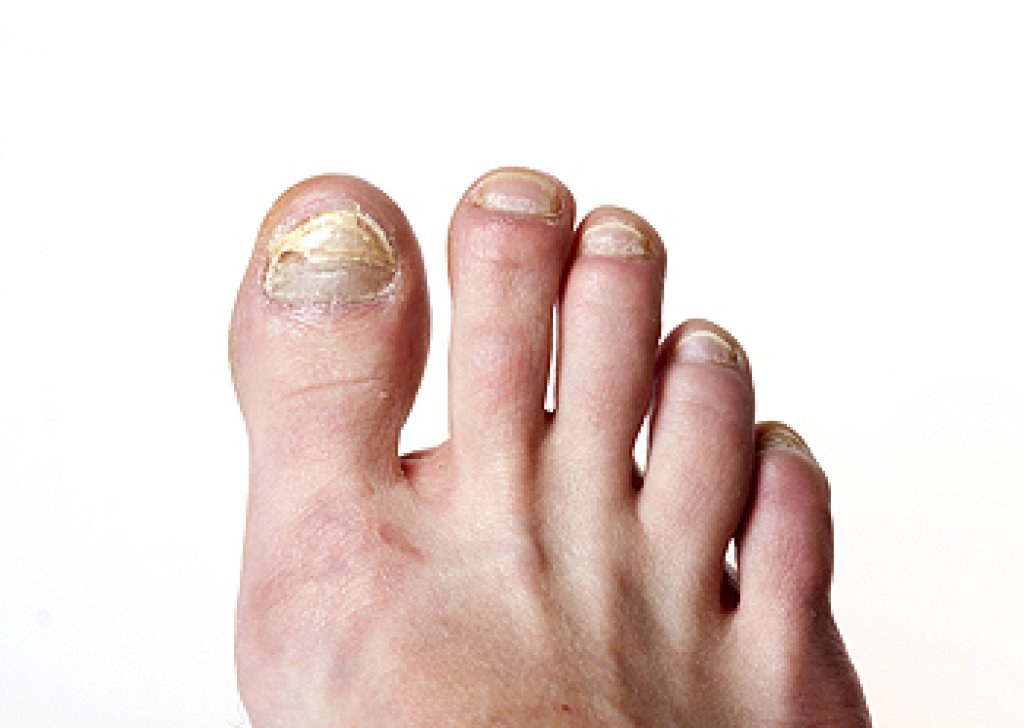
Research has indicated that millions of people worldwide are affected by toenail fungus. It is an unsightly condition that typically begins with symptoms showing in the big toe. These can include a change in nail texture and color, in addition to becoming thick, brittle, and gradually crumble. It is caused by a fungus that lives and thrives in warm and moist environments, consisting of public swimming pools, shower room floors, and surrounding areas. It is considered to be contagious, and can enter the body through tiny cracks in the skin on the feet. Treatment can begin with changing the socks and shoes daily, and properly trimming the toenails. If you are afflicted with toenail fungus, it is strongly advised that you are under the care of a podiatrist who can guide you toward the correct treatment technique.

For more information about treatment, contact one of our podiatrists of Quad Cities Foot and Ankle Associates. Our doctors can provide the care you need to keep you pain-free and on your feet.

Toenail Fungus Treatment

Toenail fungus is a condition that affects many people and can be especially hard to get rid of. Fortunately, there are several methods to go about treating and avoiding it.

Antifungals & Deterrence

Oral antifungal medicine has been shown to be effective in many cases. It is important to consult with a podiatrist to determine the proper regiment for you, or potentially explore other options.

Applying foot powder on the feet and shoes helps keep the feet free of moisture and sweat.

Sandals or open toed shoes – Wearing these will allow air movement and help keep feet dry. They also expose your feet to light, which fungus cannot tolerate. Socks with moisture wicking material also help as well.

If you have any questions please contact our offices located in Bettendorf, DeWitt, and Davenport, IA. . We offer the newest diagnostic and treatment technologies for all your foot and ankle needs.

Read more about Toenail Fungus

What to Do if You Have a Foot Blister

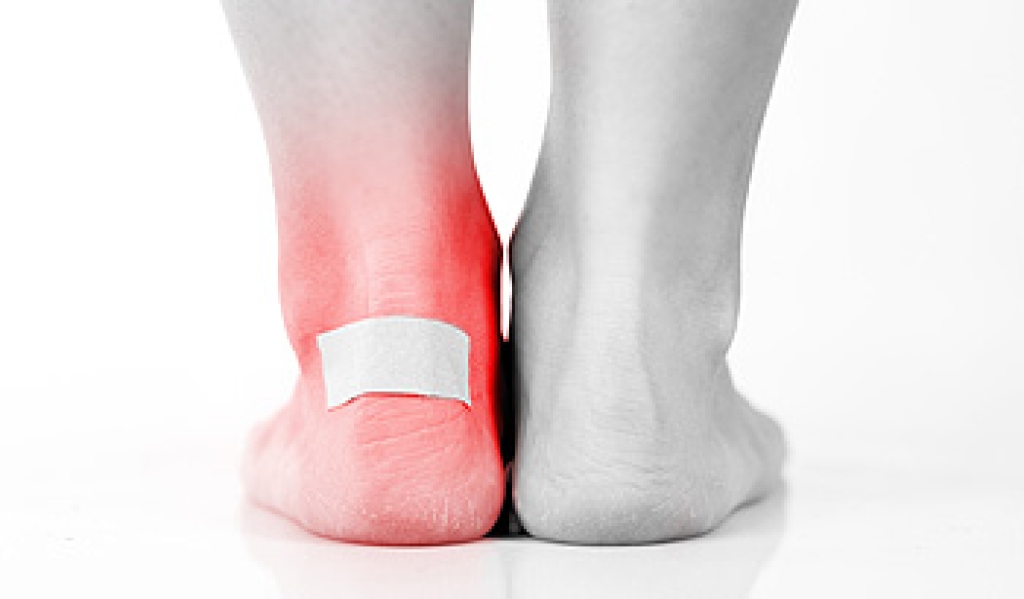
Blisters on the feet are a common occurrence. They are usually the result of friction from your shoes rubbing against a specific area of skin. A blister forms as a natural protective measure to shield raw skin under a bubble of liquid. If you find a friction blister on your foot, cover it with a soft or padded bandage or dressing. Do not pop the blister, as this will expose the raw skin underneath it to dirt and bacteria and may lead to an infection. If the blister pops naturally, wash your hands prior to touching the blister. Allow the fluid to drain and then cover the area with a bandage. Blisters usually heal on their own, without medical intervention. However, if you have a particularly painful blister, the blister is showing signs of infection, or you have recurring blisters on your feet, please seek the care of a podiatrist. 

Blisters are prone to making everyday activities extremely uncomfortable. If your feet are hurting, contact one of our podiatrists of Quad Cities Foot and Ankle Associates. Our doctors can provide the care you need to keep you pain-free and on your feet.

Foot Blisters

Foot blisters develop as a result of constantly wearing tight or ill-fitting footwear. This happens due to the constant rubbing from the shoe, which can often lead to pain.

What Are Foot Blisters?

A foot blister is a small fluid-filled pocket that forms on the upper-most layer of the skin. Blisters are filled with clear fluid and can lead to blood drainage or pus if the area becomes infected.

How Do Blisters Form?

Blisters on the feet are often the result of constant friction of skin and material, usually by shoe rubbing. Walking in sandals, boots, or shoes that don’t fit properly for long periods of time can result in a blister. Having consistent foot moisture and humidity can easily lead to blister formation.

Prevention & Treatment

It is important to properly care for the affected area in order to prevent infection and ease the pain. Do not lance the blister and use a Band-Aid to provide pain relief. Also, be sure to keep your feet dry and wear proper fitting shoes. If you see blood or pus in a blister, seek assistance from a podiatrist.

If you have any questions, please feel free to contact our offices located in Bettendorf, DeWitt, and Davenport, IA. . We offer the newest diagnostic and treatment technologies for all your foot care needs.
Read more about Blisters on the Feet

Connect With Us

Advanced Podiatric Procedures & Services in the Bettendorf, IA 52722, Davenport, IA 52806 and DeWitt, IA 52742 areas