
What Are Neuropathic Foot Ulcers?

Neuropathy is a medical condition that affects the peripheral nerves, most commonly in the feet and legs. It occurs when nerves become damaged and are unable to properly transmit signals between the brain and the body. This can lead to altered sensation, pain, or complete loss of feeling in the affected areas. Neuropathy is a significant concern in podiatry because it increases the risk of foot injuries going unnoticed, which can lead to more serious complications, such as neuropathic ulcers. These are open sores that develop due to repeated pressure or unnoticed trauma in areas with reduced sensation.

Symptoms of neuropathy in the feet often begin gradually and may include tingling, burning sensations, numbness, or sharp shooting pain. Some individuals experience a feeling of walking on pins and needles, while others may notice a complete loss of feeling in parts of the foot. Neuropathic ulcers develop when minor injuries, blisters, or pressure points go unnoticed due to reduced sensation. These ulcers commonly appear on weight-bearing areas, such as the ball of the foot or heel. Because pain signals are diminished, the condition may progress without immediate awareness, increasing the risk of infection.

Risk factors for neuropathy include diabetes, chronic alcohol use, vitamin deficiencies, certain infections, and long-term exposure to toxins. Diabetes is one of the leading causes, as elevated blood sugar levels can damage nerves. Individuals with poor circulation or a history of foot deformities are also at higher risk of developing neuropathic ulcers. Repetitive pressure, ill-fitting footwear, and prolonged standing can worsen the condition and contribute to skin breakdown. Without proper care, neuropathic ulcers can become infected and may lead to more serious complications.

The causes of neuropathy involve damage to the peripheral nerves, which may result from metabolic, infectious, or mechanical factors. When nerve function is impaired, the protective sensation in the feet is reduced, making it difficult to detect injuries. Neuropathic ulcers form when continuous pressure or friction is applied to an area without the natural pain response that would normally trigger protective action. This leads to skin breakdown and open wounds that require specialized care. If you have neuropathy or have developed an ulcer, it is strongly suggested that you consult a podiatrist who can accurately diagnose and treat neuropathy foot ulcers.

Neuropathy

Neuropathy can be a potentially serious condition, especially if it is left undiagnosed. If you have any concerns that you may be experiencing nerve loss in your feet, consult with one of our podiatrists from Quad Cities Foot and Ankle Associates. Our doctors will assess your condition and provide you with quality foot and ankle treatment for neuropathy.

What Is Neuropathy?

Neuropathy is a condition that leads to damage to the nerves in the body. Peripheral neuropathy, or neuropathy that affects your peripheral nervous system, usually occurs in the feet. Neuropathy can be triggered by a number of different causes. Such causes include diabetes, infections, cancers, disorders, and toxic substances.

Symptoms of Neuropathy Include:

  • Numbness
  • Sensation loss
  • Prickling and tingling sensations
  • Throbbing, freezing, burning pains
  • Muscle weakness

Those with diabetes are at serious risk due to being unable to feel an ulcer on their feet. Diabetics usually also suffer from poor blood circulation. This can lead to the wound not healing, infections occurring, and the limb may have to be amputated.

Treatment

To treat neuropathy in the foot, podiatrists will first diagnose the cause of the neuropathy. Figuring out the underlying cause of the neuropathy will allow the podiatrist to prescribe the best treatment, whether it be caused by diabetes, toxic substance exposure, infection, etc. If the nerve has not died, then it’s possible that sensation may be able to return to the foot.

Pain medication may be issued for pain. Electrical nerve stimulation can be used to stimulate nerves. If the neuropathy is caused from pressure on the nerves, then surgery may be necessary.

If you have any questions, please feel free to contact our offices located in Bettendorf, DeWitt, and Davenport, IA. . We offer the newest diagnostic and treatment technologies for all your foot care needs.


Read more about Neuropathy

Hidden Causes of Toe Pain in Teen Athletes

Teen athletes place repeated strain on their feet through running, jumping, pivoting, and high-impact training. While stress injuries are often associated with larger foot bones, smaller toe bones can also develop tiny cracks from overuse. Pain in the second toe, especially near its base, may be mistaken for a sprain, jammed toe, or simple soreness, which can delay proper diagnosis. Symptoms may include swelling, tenderness, pain with movement, or discomfort that worsens during sports activity. Because these injuries are less commonly suspected, they may be overlooked without a careful examination and appropriate imaging. Early diagnosis is important to prevent worsening injury and allow proper healing before returning to activity. Young athletes with persistent toe pain should not assume the issue is minor, especially when symptoms continue despite rest. If your teen has consistent foot or toe pain related to sports, it is suggested that you visit a podiatrist for evaluation.

Toe pain can disrupt your daily activities. If you have any concerns, contact one of our podiatrists of Quad Cities Foot and Ankle Associates. Our doctors can provide the care you need to keep you pain-free and on your feet.

What Causes Toe Pain?

Most severe toe pain is caused due to a sports injury, trauma from dropping something heavy on the toe, or bumping into something rigid. Other problems can develop over time for various reasons.

Toe pain can be caused by one or more ailments. The most common include:

  • Trauma
  • Sports injury
  • Wearing shoes that are too tight
  • Arthritis
  • Gout
  • Corns and calluses
  • Hammertoe
  • Bunions
  • Blisters
  • Ingrown toenails
  • Sprains
  • Fractures (broken bones)
  • Dislocations

When to See a Podiatrist

  • Severe pain
  • Persistent pain that lasts more than a week
  • Signs of infection
  • Continued swelling
  • Pain that prevents walking

Diagnosis

In many cases the cause of toe pain is obvious, but in others, a podiatrist may want to use more advanced methods to determine the problem. These can range from simple visual inspections and sensation tests to X-rays and MRI scans. Prior medical history, family medical history, and any recent physical traumatic events will all be taken into consideration for a proper diagnosis.

Treatment

Treatments for toe pain and injuries vary and may include shoe inserts, padding, taping, medicines, injections, and in some cases, surgery. If you believe that you have broken a toe, please see a podiatrist as soon as possible.

If you have any questions please contact our offices located in Bettendorf, DeWitt, and Davenport, IA. . We offer the newest diagnostic and treatment technologies for all your foot and ankle needs.

Read more about Toe Pain

Plantar Warts Can Be Treated!

Plantar warts are small growths that develop on parts of the feet that bear weight. They're typically found on the bottom of the foot. Don't live with plantar warts, and call us today!

The Timeline of an Ingrown Toenail

An ingrown toenail happens when the edge of the nail grows into the surrounding skin, causing pain, redness, swelling, and sometimes drainage. Mild cases may improve within days to a couple of weeks if treated early, but more severe cases can last much longer, especially if infection develops or the nail continues growing into the skin. Wearing tight shoes, improper nail trimming, toe injuries, and naturally curved nails can all increase risk. A podiatrist can determine how advanced the problem is, and provide treatment to relieve pressure and discomfort. Care may include lifting the nail edge, treating infection, or removing part of the nail when needed to prevent repeated problems. Waiting too long can lead to worsening pain and deeper skin involvement. If your toe remains swollen, tender, or shows signs of infection, it is suggested that you visit a podiatrist for proper treatment.

Ingrown toenails may initially present themselves as a minor discomfort, but they may progress into an infection in the skin without proper treatment. For more information about ingrown toenails, contact one of our podiatrists of Quad Cities Foot and Ankle Associates. Our doctors can provide the care you need to keep you pain-free and on your feet.

Ingrown Toenails

Ingrown toenails are caused when the corner or side of a toenail grows into the soft flesh surrounding it. They often result in redness, swelling, pain, and in some cases, infection. This condition typically affects the big toe and may recur if it is not treated properly.

Causes

  • Improper toenail trimming
  • Genetics
  • Improper shoe fitting
  • Injury from pedicures or nail picking
  • Abnormal gait
  • Poor hygiene

You are more likely to develop an ingrown toenail if you are obese, have diabetes, arthritis, or have any fungal infection in your nails. Additionally, people who have foot or toe deformities are at a higher risk of developing an ingrown toenail.

Symptoms

Some symptoms of ingrown toenails are redness, swelling, and pain. In rare cases, there may be a yellowish drainage coming from the nail.

Treatment

Ignoring an ingrown toenail can have serious complications. Infections of the nail border can progress to a deeper soft-tissue infection, which can then turn into a bone infection. You should always speak with your podiatrist if you suspect you have an ingrown toenail, especially if you have diabetes or poor circulation.

If you have any questions, please feel free to contact our offices located in Bettendorf, DeWitt, and Davenport, IA. . We offer the newest diagnostic and treatment technologies for all your foot care needs.

Read more about Ingrown Toenail Care

Understanding MTP Joint Pain

The MTP joints, also called metatarsophalangeal joints, connect the long bones of the foot to the toes and play a key role in walking and balance. Problems in these joints can develop from repeated stress, poor foot mechanics, or conditions like arthritis. Pain often appears at the base of the toes and may include swelling, stiffness, or a feeling of limited motion. Risk factors include wearing tight shoes, high impact activities, and structural issues like bunions. Over time, joint irritation can lead to inflammation and changes in how weight is distributed across the foot. A podiatrist can examine joint function, order imaging if needed, and provide custom orthotics or targeted care to relieve pressure and improve movement. If you have this type of foot pain, it is suggested that you consult a podiatrist who can offer effective relief and treatment solutions.  

Foot Pain

Foot pain can be extremely painful and debilitating. If you have a foot pain, consult with one of our podiatrists from Quad Cities Foot and Ankle Associates. Our doctors will assess your condition and provide you with quality foot and ankle treatment.

Causes

Foot pain is a very broad condition that could be caused by one or more ailments. The most common include:

  • Bunions
  • Hammertoes
  • Plantar Fasciitis
  • Bone Spurs
  • Corns
  • Tarsal Tunnel Syndrome
  • Ingrown Toenails
  • Arthritis (such as Gout, Rheumatoid, and Osteoarthritis)
  • Flat Feet
  • Injury (from stress fractures, broken toe, foot, ankle, Achilles tendon ruptures, and sprains)
  • And more

Diagnosis

To figure out the cause of foot pain, podiatrists utilize several different methods. This can range from simple visual inspections and sensation tests to X-rays and MRI scans. Prior medical history, family medical history, and any recent physical traumatic events will all be taken into consideration for a proper diagnosis.

Treatment

Treatment depends upon the cause of the foot pain. Whether it is resting, staying off the foot, or having surgery; podiatrists have a number of treatment options available for foot pain.

If you have any questions, please feel free to contact our offices located in Bettendorf, DeWitt, and Davenport, IA. . We offer the newest diagnostic and treatment technologies for all your foot care needs.
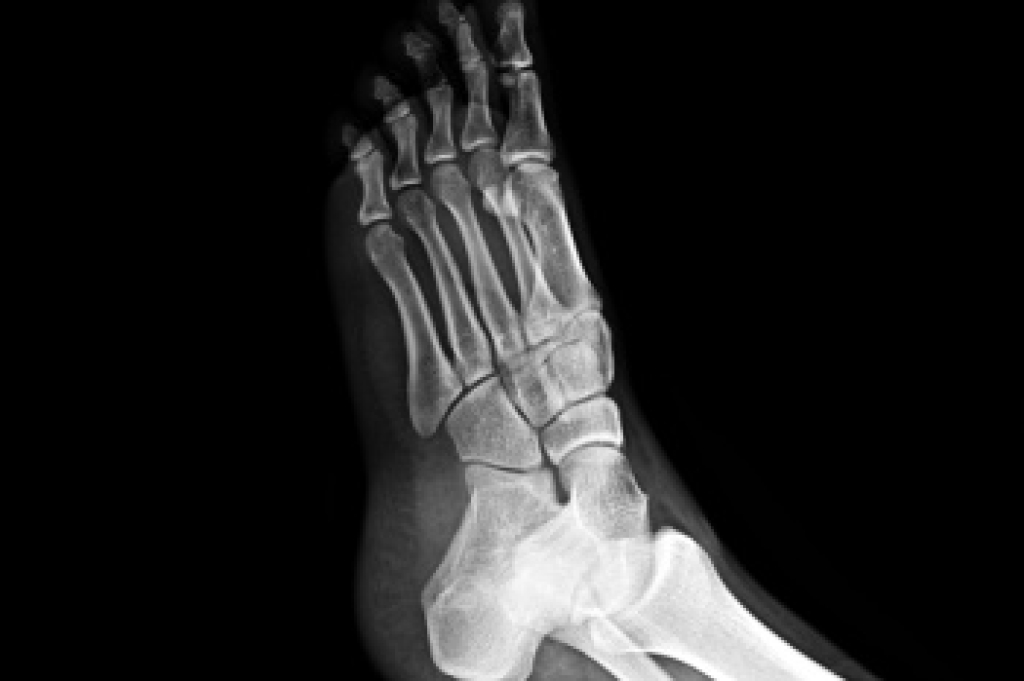
Read more about Foot Pain

Connect With Us

Advanced Podiatric Procedures & Services in the Bettendorf, IA 52722, Davenport, IA 52806 and DeWitt, IA 52742 areas