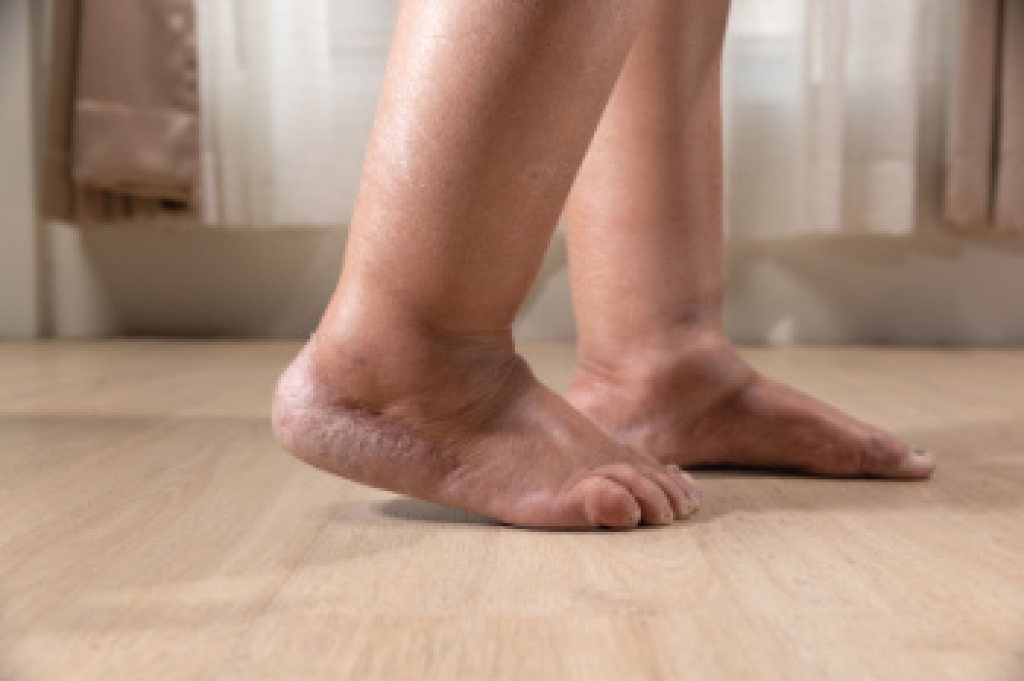
What Swelling in the Feet May Be Telling You

Swelling of the feet occurs when excess fluid builds up in the tissues, causing the feet to appear larger or feel tight and uncomfortable. This symptom may affect one foot or both and can develop suddenly or gradually. Foot swelling may result from standing for long periods, an injury, or an underlying medical condition that affects circulation or fluid balance. Pregnancy, arthritis, and vein disorders are also common causes. In some cases, swelling is temporary, while in others it may signal a more serious problem that requires medical attention. Because many conditions can contribute to swollen feet, a professional evaluation is important to determine the underlying cause. Early podiatry care may also help prevent complications and support better foot health.


Symptoms often depend on the reason for the swelling. Many people notice tightness, tenderness, or discomfort that makes walking more difficult. Others experience stiffness or skin that appears stretched and shiny because of the increased fluid. Shoes may suddenly feel tighter than usual, and normal movement may become uncomfortable. When swelling is related to an injury, pain or bruising may also be present. Persistent swelling should not be ignored because it can indicate problems involving the feet, ankles, or overall health. Identifying the cause early allows treatment to begin before symptoms become more severe and helps protect long-term mobility.


A podiatrist specializes in diagnosing and treating conditions that affect the feet and ankles, including swelling caused by injuries or structural problems. During an examination, the podiatrist evaluates your symptoms, foot structure, and walking mechanics while looking for signs of underlying conditions that may be contributing to the swelling. Additional testing or coordination with another healthcare provider may be recommended when appropriate. Treatment focuses on reducing discomfort, improving foot function, and addressing the cause of the swelling whenever possible. If you are experiencing swollen feet, ongoing discomfort, or difficulty walking, it is suggested that you consult a podiatrist for an evaluation and appropriate treatment options.

Swollen feet can be a sign of an underlying condition. If you have any concerns, contact one of our podiatrists of Quad Cities Foot and Ankle Associates. Our doctors can provide the care you need to keep you pain-free and on your feet.

Swollen feet are a common ailment among pregnant women and people who stand or sit for extended periods. Aging may increase the possibility of swollen feet and patients who are obese often notice when their feet are swelling too. There may be medical reasons why swollen feet occur:

  • Phlebitis - A condition that causes the veins to become inflamed and can also cause leg pain.
  • Liver disease - This may lead to low blood levels of albumin which is a protein. This can cause fluid in the blood to pass into the tissues and several areas of the body can become swollen.
  • Heart failure - When the heart doesn’t pump properly the blood that is normally pumped back to the heart can pool in the veins of the legs causing swollen feet.
  • Kidney disease - One of the main functions of the kidneys is releasing excess fluid in the body. This type of condition can make it difficult for the kidneys to function properly, and as a result the feet may become swollen.
  • Deep-vein thrombosis (DVT)- This is a serious condition where blood clots form in the veins of the legs. They can block the return of blood from the legs to the heart which may cause the feet to swell. It is important to be treated by a podiatrist if this condition is present.

Swollen feet can also be caused by bone and tendon conditions, including fractures, arthritis, and tendinitis. Additionally, there may be skin and toenail conditions and an infection may cause the feet to swell. Patients who take medicine to treat high blood pressure may be prone to getting swollen feet. 

Many patients elevate their feet to help relieve the swelling and this is generally a temporary remedy. When a podiatrist is consulted the reason behind the swelling can be uncovered and subsequently treated.

If you have any questions please contact our offices located in Bettendorf, DeWitt, and Davenport, IA. . We offer the newest diagnostic and treatment technologies for all your foot and ankle needs.


Read more about Swelling of the Feet

Diagnosing and Treating Corns on the Feet

Diagnosing and treating corns on the feet begins with understanding what they are and why they develop. Corns are small, well-defined areas of thickened, hardened skin that form after repeated rubbing, friction, or pressure. They usually appear on bony parts of the toes or between the toes. Unlike calluses, which cover broader areas, corns have a hard center that can press into the deeper tissue, and cause sharp pain while walking or standing. A podiatrist carefully examines the affected area to confirm that the problem is a corn and not another condition, like a wart. This evaluation also helps identify the source of the pressure, so treatment addresses the cause instead of only the thickened skin.

The location, shape, and appearance of the thickened skin provide valuable clues. The doctor also checks for toe alignment, areas of repeated pressure, and shoes that lack proper support. Soft corns usually develop between the toes where moisture increases friction. Hard corns usually form on dry skin over bony joints. Tiny seed corns can develop on the ball of the foot. Finding the exact cause helps guide treatment and lowers the chance that the corn will quickly return. Patients with diabetes or poor circulation need prompt evaluation, because even minor skin problems can become more serious.

Treatment focuses on relieving pressure and removing the thickened skin safely. A podiatrist can carefully trim away the hardened tissue using sterile instruments. This makes walking more comfortable. Padding can also protect the area from continued friction. Shoe recommendations or custom orthotics can improve foot alignment and reduce repeated pressure that causes corns to form. When severe corns continue to return because of a bone or toe problem, surgery may be suggested to correct the underlying cause. If you have a painful corn, it is suggested that you schedule an appointment with a podiatrist for a diagnosis and appropriate treatment.

Corns can make walking very painful and should be treated immediately. If you have questions regarding your feet and ankles, contact one of our podiatrists of Quad Cities Foot and Ankle Associates. Our doctors will treat your foot and ankle needs.

Corns: What Are They? And How Do You Get Rid of Them?
Corns are thickened areas on the skin that can become painful. They are caused by excessive pressure and friction on the skin. Corns press into the deeper layers of the skin and are usually round in shape.

Ways to Prevent Corns
There are many ways to get rid of painful corns such as:

  • Wearing properly fitting shoes that have been measured by a professional
  • Wearing shoes that are not sharply pointed or have high heels
  • Wearing only shoes that offer support

Treating Corns

Although most corns slowly disappear when the friction or pressure stops, this isn’t always the case. Consult with your podiatrist to determine the best treatment option for your case of corns.

If you have any questions, please feel free to contact our offices located in Bettendorf, DeWitt, and Davenport, IA. . We offer the newest diagnostic and treatment technologies for all your foot care needs.

Read more about Everything You Need to Know About Corns

Risks of Wearing Flip-Flops

Flip-flops may feel light and easy to wear, but they often provide very little support for the feet. Many styles are flat, thin, and flexible. This can place extra strain on the arches, heels, and toes. Because the foot has to work harder to keep the sandal in place, walking patterns may change over time. This can lead to foot pain or discomfort in other areas of the body. Wearing flip-flops often may increase the risk of plantar fasciitis, heel pain, or tendon strain. They also leave much of the foot exposed, making cuts or scrapes more likely during daily activities.


A podiatrist can evaluate foot pain related to flip-flop use and identify which structures are being affected. During an examination, the podiatrist may check foot alignment, joint movement, and areas of increased pressure. They can also determine whether a condition, such as plantar fasciitis or tendon irritation, is causing symptoms. Treatment depends on the diagnosis and may include custom orthotics, supportive footwear recommendations, or other medical care to reduce pain and improve foot function. A podiatrist can also explain how footwear choices may be contributing to stress on the feet and ankles.


Professional podiatry care can help address pain before it becomes a long-term problem. Early evaluation may reduce the risk of ongoing inflammation, balance issues, or changes in the way you walk. Footwear-related pain should not be ignored, especially when it affects daily movement or comfort. A podiatrist creates a treatment plan based on your symptoms, foot structure, and activity level. Professional treatment of foot pain can support healthier movement and help protect your long-term foot health. If flip-flops are causing foot pain, it is suggested that you consult a podiatrist for an evaluation.

Flip-flops are not always the best choice of footwear. If you have any concerns about your feet or ankles, contact one of our podiatrists from Quad Cities Foot and Ankle Associates. Our doctors will assist you with all of your foot and ankle needs.

Flip-Flops and Feet

When the weather starts warming up, people enjoy wearing flip-flops.  Flip-flops are comfortable, stylish, and easy to slip on and off; they're perfect for any summer beach goer.  However, these shoes can cause harm to the feet.

How Can Flip-Flops Affect Me Long-Term?

  • Ankle problems
  • Hip problems
  • Lower back problems
  • Pain in the balls of the feet
  • Problems with foot arches
  • Changes in the way you walk

Are There Injuries Associated with Flip-Flops?

Yes.  Since flip-flops are relatively weak and do not provide the same amount of support as sneakers, people who wear flip-flops regularly are more susceptible to injuries. On top of that, the open nature of the shoe makes your feet more prone to other problems, such as cuts and even infections.  Common injuries and ailments include:

  • Sprained ankles
  • Blisters
  • Infections
  • Cuts and Scrapes

I like Wearing Flip-Flops. Are There Safe Alternatives?

When buying flip-flops, try to find ones that have sturdy soles and that are made of high-quality materials that will support for your feet.  These flip-flops will cost more but will also last longer as a result.

If you have any questions, please feel free to contact our offices located in Bettendorf, DeWitt, and Davenport, IA. . We offer the newest diagnostic and treatment technologies for all your foot care needs.

Read more about Flip Flops and Your Feet

Heel Pain May Indicate Sever’s Disease

Sever’s disease is a painful heel condition that affects growing children, especially those who participate in running or jumping sports. It is not a disease in the usual sense but an irritation of the heel’s growth plate, which is the area where new bone is still forming. This growth plate sits at the back of the heel bone, near where the Achilles tendon attaches. When a child runs, jumps, or lands hard, repeated pulling and pressure can irritate this area. Soccer, basketball, gymnastics, and football can place extra stress on the heel.

Heel pain from Sever’s disease usually develops slowly. A child may describe the pain as feeling like a bruise at the back or bottom of the heel. The pain is usually worse with sports, running in cleats, or wearing shoes that lack adequate support. Swelling and bruising are not always seen. Some children limp, walk on their toes, or stop wanting to play. Tight calf muscles, flat feet, and high-arched feet can increase stress on the heel. A podiatrist can examine the heel, check the foot structure, and look at how the child walks.

Diagnosis does not rely on symptoms alone. A podiatrist can tell whether the pain is from Sever’s disease or another problem. X-rays can be ordered to check bone growth and rule out other causes of heel pain. A stress fracture, tendon irritation, or a bone cyst may produce similar symptoms. Treatment of Sever’s disease includes shoe changes, heel lifts, custom orthotics, and activity guidance based on the child’s exam. A podiatrist can also address tight calf muscles and foot mechanics that add strain to the heel. If your active child complains of heel pain, it is suggested that you schedule an appointment with a podiatrist for a diagnosis and effective relief tips.

Sever's disease often occurs in children and teens. If your child is experiencing foot or ankle pain, see one of our podiatrists from Quad Cities Foot and Ankle Associates. Our doctors can treat your child’s foot and ankle needs.

Sever’s Disease

Sever’s disease is also known as calcaneal apophysitis, which is a medical condition that causes heel pain I none or both feet. The disease is known to affect children between the ages of 8 and 14.

Sever’s disease occurs when part of the child’s heel known as the growth plate (calcaneal epiphysis) is attached to the Achilles tendon. This area can suffer injury when the muscles and tendons of the growing foot do not keep pace with bone growth. Therefore, the constant pain which one experiences at the back of the heel will make the child unable to put any weight on the heel. The child is then forced to walk on their toes.

Symptoms

Acute pain – Pain associated with Sever’s disease is usually felt in the heel when the child engages in physical activity such as walking, jumping and or running.

Highly active – Children who are very active are among the most susceptible in experiencing Sever’s disease, because of the stress and tension placed on their feet.

If you have any questions, please feel free to contact our offices located in Bettendorf, DeWitt, and Davenport, IA. . We offer the newest diagnostic and treatment technologies for all your foot care needs.

Read more about Sever's Disease

Connect With Us

Advanced Podiatric Procedures & Services in the Bettendorf, IA 52722, Davenport, IA 52806 and DeWitt, IA 52742 areas