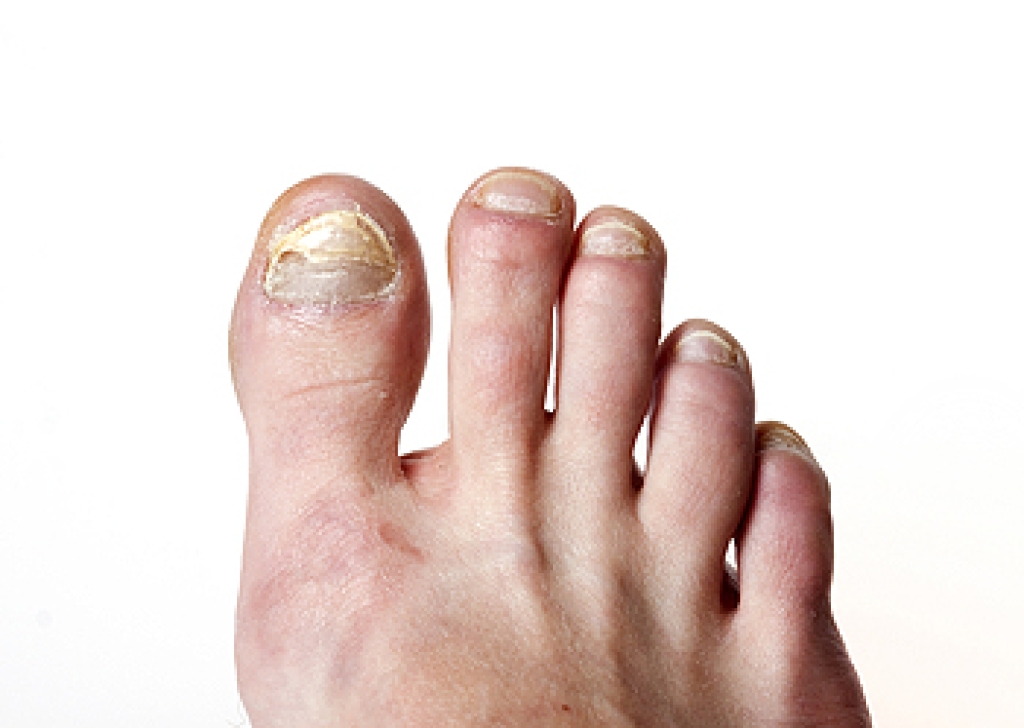
Discoloration and Toenail Fungus

Sometimes, a toenail’s natural translucent color can be manipulated into an entirely different shade. One potential common cause of such discoloration is toenail fungus. Toenail fungus can be caused by an organism named dermatophyte. If your toenail has been infected by a fungus, you might notice that the shade of the nail has changed to yellow, reddish brown, black, or green. This discoloration can start small, for example underneath the tip of the affected nail, before growing larger in size if unaddressed. There are also several things that can increase one’s risk of developing a toenail fungus. If you sweat frequently, walk barefoot in warm and moist environments, or are prone to enduring small cuts near the nail, you may be at an increased risk of developing toenail fungus and potentially discoloration. Of course, discoloration can be caused by things other than toenail fungus. Namely, injuries, nail polish, and particular health conditions can also contribute to discoloration. However, it is important for you to be aware of the causal connection between toenail fungus and discoloration of the toenail. If you have discoloration of the nail, contact a podiatrist.

If left untreated, toenail fungus may spread to other toenails, skin, or even fingernails. If you suspect you have toenail fungus it is important to seek treatment right away. For more information about treatment, contact one of our podiatrists of Quad Cities Foot and Ankle Associates. Our doctors can provide the care you need to keep you pain-free and on your feet.

Symptoms

  • Warped or oddly shaped nails
  • Yellowish nails
  • Loose/separated nail
  • Buildup of bits and pieces of nail fragments under the nail
  • Brittle, broken, thickened nail

Treatment

If self-care strategies and over-the-counter medications does not help your fungus, your podiatrist may give you a prescription drug instead. Even if you find relief from your toenail fungus symptoms, you may experience a repeat infection in the future.

Prevention

In order to prevent getting toenail fungus in the future, you should always make sure to wash your feet with soap and water. After washing, it is important to dry your feet thoroughly especially in between the toes. When trimming your toenails, be sure to trim straight across instead of in a rounded shape. It is crucial not to cover up discolored nails with nail polish because that will prevent your nail from being able to “breathe”.

In some cases, surgical procedure may be needed to remove the toenail fungus. Consult with your podiatrist about the best treatment options for your case of toenail fungus.  

If you have any questions please contact our offices located in Bettendorf, DeWitt, and Davenport, IA. . We offer the newest diagnostic and treatment technologies for all your foot and ankle needs.


Read more about Toenail Fungus

Iselin Disease

Iselin disease is an overuse injury resulting from repetitive pressure or tension on the growth center at the base of the 5th metatarsal. Running and jumping can put a great amount of pressure on the forefoot. This disease affects children and usually resolves itself once the growth plate fuses, which generally occurs around age 12 for girls and 14 for boys. It cannot occur in adults because the growth plate closes over and turns into the bone with skeletal maturity at approximately 16 years of age. If your child has foot pain and you think it might be Iselin disease, consult with a podiatrist for proper management of discomfort associated with this condition. A pediatric immobilization brace may be used to offload the growth plate and allow for healing so that your child may maintain their activity level.

Some foot conditions may require additional professional care. If you have any concerns, contact one of our podiatrists of Quad Cities Foot and Ankle Associates. Our doctors can provide the care you need to keep you pain-free and on your feet.

Rare Foot Conditions

The majority of foot conditions are common and can be treated by a podiatrist.  Standard diagnostic procedures are generally used to identify specific conditions and treatment can be rendered. A podiatrist also treats rare foot conditions which can be difficult to diagnose and may need extra attention and care. 

There are many rare foot conditions that can affect children. Some of these can include:

  • Freiberg’s disease
  • Kohler’s disease
  • Maffucci syndrome

Freiberg’s disease - This can be seen as a deterioration and flattening of a metatarsal bone that exists in the ball of the foot. It typically affects pre-teen and teenage girls, but can affect anyone at any age. Symptoms that can accompany this can be swelling, stiffness, and the patient may limp. 

Kohler’s disease - This often targets the bone in the arch of the foot and affects younger boys. It can lead to an interruption of the blood supply which ultimately can lead to bone deterioration. The patient may limp or experience tenderness, swelling, and redness.

Maffucci syndrome - This affects the long bones in a child’s foot leading to the development of abnormal bone lesions. They are benign growths and typically develop in early childhood and the bones may be susceptible to breaking. 

A podiatrist can properly diagnose and treat all types of rare foot conditions. If your child is affected by any of these symptoms or conditions, please don’t hesitate to call our office so the correct treatment method can begin.

If you have any questions, please feel free to contact our offices located in Bettendorf, DeWitt, and Davenport, IA. . We offer the newest diagnostic and treatment technologies for all your foot care needs.

Read more about Rare Foot Conditions

It's Time for Beautiful Feet

You don't need an excuse to have beautiful nails. Step outside without worrying about the appearance of your feet.

What Is a Stress Fracture?

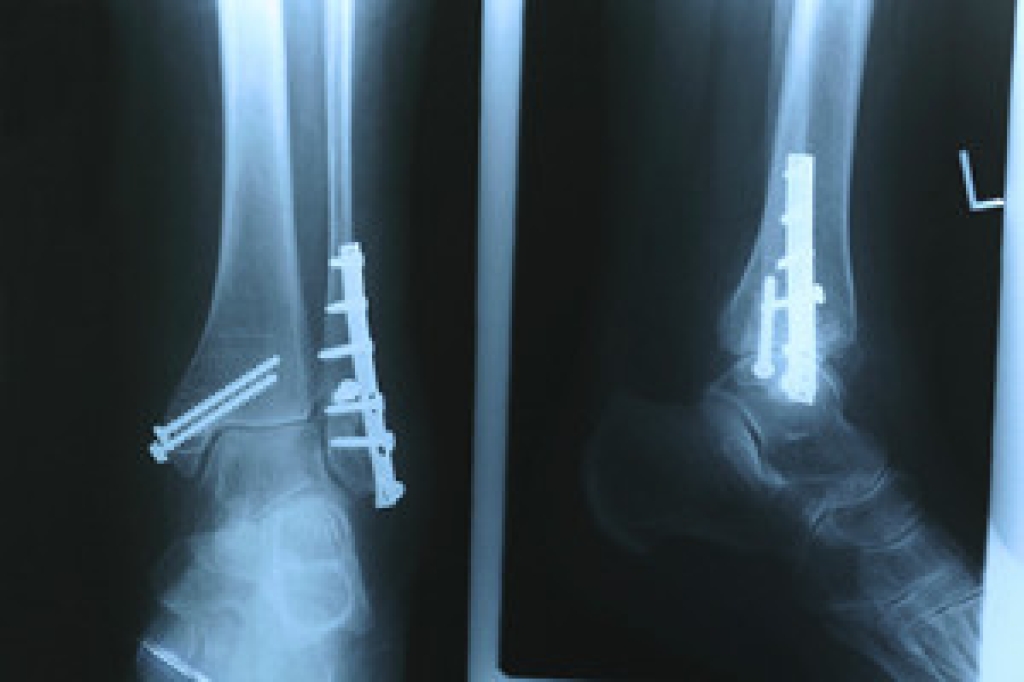
A stress fracture is caused by a bone being subjected to repeated actions, which can cause serious injury to the bone over time. Stress fractures are common in the feet and ankles. With repetitive foot actions, particularly common among athletes, the body is unable to send enough calcium to the stressed bone, and cracks might develop in the bone over time. Stress fractures might be hard to notice at first because they occur gradually, but one might notice chronic pain or night aches that do not go away after rest. The area affected might feel tender, weak, numb, and become bruised or swollen. It look deformed in some way at the site of the stress fracture, and it be hard to bear weight or move normally. If you feel this type of pain in your foot or ankle, especially if you feel a tingling or pins and needles feeling at the site of injury, see a podiatrist who can properly diagnose the problem and provide appropriate treatment.

Stress fractures occur when there is a tiny crack within a bone. To learn more, contact one of our podiatrists from Quad Cities Foot and Ankle Associates. Our doctors can provide the care you need to keep you pain free and on your feet.

How Are They Caused?

Stress fractures are the result of repetitive force being placed on the bone. Since the lower leg and feet often carry most of the body’s weight, stress fractures are likely to occur in these areas. If you rush into a new exercise, you are more likely to develop a stress fracture since you are starting too much, too soon.  Pain resulting from stress fractures may go unnoticed at first, however it may start to worsen over time.

Risk Factors

  • Gender – They are more commonly found in women compared to men.
  • Foot Problems – People with unusual arches in their feet are more likely to develop stress fractures.
  • Certain Sports – Dancers, gymnasts, tennis players, runners, and basketball players are more likely to develop stress fractures.
  • Lack of Nutrients – A lack of vitamin D and calcium may weaken the bones and make you more prone to stress fractures
  • Weak Bones – Osteoporosis can weaken the bones therefore resulting in stress fractures

Stress fractures do not always heal properly, so it is important that you seek help from a podiatrist if you suspect you may have one. Ignoring your stress fracture may cause it to worsen, and you may develop chronic pain as well as additional fractures.

If you have any questions please contact our offices located in Bettendorf, DeWitt, and Davenport, IA. . We offer the newest diagnostic and treatment technologies for all your foot and ankle needs.
Read more about Stress Fractures of the Foot and Ankle

Existing Medical Conditions May Cause Flat Feet

Having little or no arch in the foot can indicate flat feet. Flat feet can be observed while standing on the floor and checking to see if there is an arch present. People with this condition will see that their foot is lying flat against the floor with little or no space where the arch should be. Most babies are born with flat feet and the arch gradually develops at approximately age 10. Adults who have flat feet may have inherited them or have endured a foot injury. Additionally, there are existing medical conditions that can cause flat feet. These include arthritis, cerebral palsy, and spina bifida. People who are obese may notice they have acquired flat feet as a result of the weight the feet must bear. Some patients feel their weight is not distributed properly and the foot may roll inward. If you have flat feet, please consult with a podiatrist who may suggest wearing orthotics and can also show you how to perform specific exercises that can help with discomfort.

Flatfoot is a condition many people suffer from. If you have flat feet, contact one of our podiatrists from Quad Cities Foot and Ankle Associates. Our doctors will treat your foot and ankle needs.

What Are Flat Feet?

Flatfoot is a condition in which the arch of the foot is depressed and the sole of the foot is almost completely in contact with the ground. About 20-30% of the population generally has flat feet because their arches never formed during growth.

Conditions & Problems:

Having flat feet makes it difficult to run or walk because of the stress placed on the ankles.

Alignment – The general alignment of your legs can be disrupted, because the ankles move inward which can cause major discomfort.

Knees – If you have complications with your knees, flat feet can be a contributor to arthritis in that area.  

Symptoms

  • Pain around the heel or arch area
  • Trouble standing on the tip toe
  • Swelling around the inside of the ankle
  • Flat look to one or both feet
  • Having your shoes feel uneven when worn

Treatment

If you are experiencing pain and stress on the foot you may weaken the posterior tibial tendon, which runs around the inside of the ankle. 

If you have any questions, please feel free to contact our offices located in Bettendorf, DeWitt, and Davenport, IA. . We offer the newest diagnostic and treatment technologies for all your foot care needs.

Read more about Flatfoot

Connect With Us

Advanced Podiatric Procedures & Services in the Bettendorf, IA 52722, Davenport, IA 52806 and DeWitt, IA 52742 areas