Items filtered by date: August 2025
Hammertoe and Other Similar Toe Deformities

Hammer, claw, and mallet toes are toe deformities that affect the joints and can cause pain, discomfort, and difficulty in walking. A hammertoe bends at the middle joint, a mallet toe affects the joint closest to the tip, and a claw toe involves abnormal bending at both the middle and end joints, often pointing downward. These conditions may be caused by wearing tight or ill-fitting shoes, muscle imbalances, arthritis, trauma, or a genetic predisposition. Symptoms include curled or bent toes, pain while wearing shoes, corns or calluses on the tops or tips of toes, in addition to redness, swelling, and restricted movement. The affected toes may appear misshapen and feel stiff or sore, especially during activity. A podiatrist can diagnose the condition with a physical exam and possibly X-rays to assess joint damage or misalignment. Treatment may involve changing footwear, using custom orthotics, toe exercises, or, in more severe cases, surgery to realign the joints. If you have any of the above ailments, it is suggested that you schedule an appointment with a podiatrist who can accurately diagnose and treat these conditions.
Hammertoes can be a painful condition to live with. For more information, contact one of our podiatrists of Quad Cities Foot and Ankle Associates. Our doctors will answer any of your foot- and ankle-related questions.
Hammertoe
Hammertoe is a foot deformity that occurs due to an imbalance in the muscles, tendons, or ligaments that normally hold the toe straight. It can be caused by the type of shoes you wear, your foot structure, trauma, and certain disease processes.
Symptoms
- Painful and/or difficult toe movement
- Swelling
- Joint stiffness
- Calluses/Corns
- Physical deformity
Risk Factors
- Age – The risk of hammertoe increases with age
- Sex – Women are more likely to have hammertoe compared to men
- Toe Length – You are more likely to develop hammertoe if your second toe is longer than your big toe
- Certain Diseases – Arthritis and diabetes may make you more likely to develop hammertoe
Treatment
If you have hammertoe, you should change into a more comfortable shoe that provides enough room for your toes. Exercises such as picking up marbles may strengthen and stretch your toe muscles. Nevertheless, it is important to seek assistance from a podiatrist in order to determine the severity of your hammertoe and see which treatment option will work best for you.
If you have any questions, please feel free to contact our offices located in Bettendorf, DeWitt, and Davenport, IA. . We offer the newest diagnostic and treatment technologies for all your foot care needs.
How To Best Protect Your Child’s Developing Feet

The bones in your child’s feet will develop from the cartilage they were born with to ossified bones that are fully developed around 18 years of age. For the first few months of their lives, babies’ feet are quite delicate. That is why the type of footwear you choose for your child is very important. Make sure footwear and socks are never tight. While your child’s feet are developing, the nerve endings in their feet are developing too and may not be able to signal if their feet are being squeezed or compressed. Since no two feet are the same, avoid hand-me-down shoes that may not be right for your child’s feet. Keep their toenails trimmed straight across without curving them or cutting them so short that it puts them at risk of developing an ingrown toenail. For expert guidance on nurturing your child's feet, consulting a podiatrist can offer valuable insights tailored to their growth stage and needs.
Making sure that your children maintain good foot health is very important as they grow. If you have any questions, contact one of our podiatrists of Quad Cities Foot and Ankle Associates. Our doctors can provide the care you need to keep you pain-free and on your feet.
Keeping Children's Feet Healthy
Having healthy feet during childhood can help prevent medical problems later in life, namely in the back and legs. As children grow, their feet require different types of care. Here are some things to consider...
Although babies do not walk yet, it is still very important to take care of their feet.
Avoid putting tight shoes or socks on his or her feet.
Allow the baby to stretch and kick his or her feet to feel comfortable.
As a toddler, kids are now on the move and begin to develop differently. At this age, toddlers are getting a feel for walking, so don’t be alarmed if your toddler is unsteady or ‘walks funny’.
As your child gets older, it is important to teach them how to take care of their feet.
Show them proper hygiene to prevent infections such as fungus.
Be watchful for any pain or injury.
Have all injuries checked by a doctor as soon as possible.
Comfortable, protective shoes should always be worn, especially at play.
If you have any questions, please feel free to contact our offices located in Bettendorf, DeWitt, and Davenport, IA. . We offer the newest diagnostic and treatment technologies for all your foot care needs.
Broken Ankle Facts

A broken ankle occurs when one or more bones in the ankle joint fracture due to trauma or excessive force. Diagnosis typically involves a physical exam and imaging studies to determine the severity and type of fracture. Common types include a Pott’s fracture, which involves the fibula near the ankle, and an avulsion fracture, where a small piece of bone is pulled away by a ligament or tendon. Symptoms include sudden pain, swelling, bruising, and difficulty bearing weight. Causes range from sports injuries to falls or accidents. A podiatrist can assess the injury, provide stabilization, and guide treatment. If you suspect you have fractured your ankle, it is suggested that you schedule an immediate podiatry visit for appropriate treatment solutions.
Broken ankles need immediate treatment. If you are seeking treatment, contact one of our podiatrists from Quad Cities Foot and Ankle Associates. Our doctors can provide the care you need to keep you pain-free and on your feet.
Broken Ankles
A broken ankle is experienced when a person fractures their tibia or fibula in the lower leg and ankle area. Both of these bones are attached at the bottom of the leg and combine to form what we know to be our ankle.
When a physician is referring to a break of the ankle, he or she is usually referring to a break in the area where the tibia and fibula are joined to create our ankle joint. Ankles are more prone to fractures because the ankle is an area that suffers a lot of pressure and stress. There are some obvious signs when a person experiences a fractured ankle, and the following symptoms may be present.
Symptoms of a Fractured Ankle
- Excessive pain when the area is touched or when any pressure is placed on the ankle
- Swelling around the area
- Bruising of the area
- Area appears to be deformed
If you suspect an ankle fracture, it is recommended to seek treatment as soon as possible. The sooner you have your podiatrist diagnose the fracture, the quicker you’ll be on the way towards recovery.
If you have any questions, please feel free to contact our offices located in Bettendorf, DeWitt, and Davenport, IA. . We offer the newest diagnostic and treatment technologies for all your foot care needs.
Are Bunions Affecting Your Everyday Life?
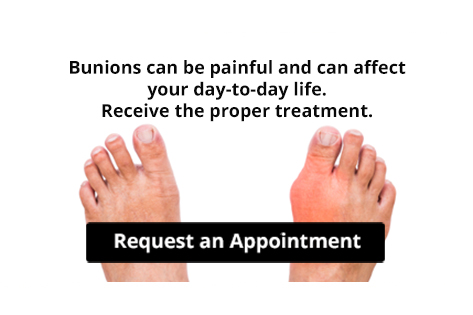
Have you noticed a bony protrusion on the side of your big toe? If so, you may have developed the foot condition known as a bunion. Don't let bunions interfere with your daily activities.
Foot Strengthening Exercises for Pain Relief and Stability

Strengthening the feet can relieve pain and improve balance. The towel curl involves placing a towel on the floor and curling it toward you using your toes to build arch strength. The toe splay is done by spreading your toes apart while keeping your foot flat to enhance control and flexibility. The toe extension involves gently lifting and stretching the toes upward to reduce stiffness. Additionally, the big toe stretch is performed by gently pulling the big toe backward to ease tension in the arch. A podiatrist can assess your needs and recommend a safe, effective routine. If you experience ongoing foot discomfort, it is suggested that you visit a podiatrist who can treat various foot conditions, and offer guided exercises to support long-term relief.
Exercising your feet regularly with the proper foot wear is a great way to prevent injuries and build strength. If you have any concerns about your feet, contact one of our podiatrists from Quad Cities Foot and Ankle Associates. Our doctors can provide the care you need to keep you pain-free and on your feet.
Exercise for Your Feet
Exercise for your feet can help you gain strength, mobility and flexibility in your feet. They say that strengthening your feet can be just as rewarding as strengthening another part of the body. Your feet are very important, and we often forget about them in our daily tasks. But it is because of our feet that are we able to get going and do what we need to. For those of us fortunate enough to not have any foot problems, it is an important gesture to take care of them to ensure good health in the long run.
Some foot health exercises can include ankle pumps, tip-toeing, toe rises, lifting off the floor doing reps and sets, and flexing the toes. It is best to speak with Our doctors to determine an appropriate regimen for your needs. Everyone’s needs and bodies are different, and the activities required to maintain strength in the feet vary from individual to individual.
Once you get into a routine of doing regular exercise, you may notice a difference in your feet and how strong they may become.
If you have any questions, please feel free to contact our offices located in Bettendorf, DeWitt, and Davenport, IA. . We offer the newest diagnostic and treatment technologies for all your foot care needs.
